.webp)
Thyroid Disorders
Understand Your Thyroid Health, Symptoms, TSH & Underlying Factors
Understanding Thyroid Disorders
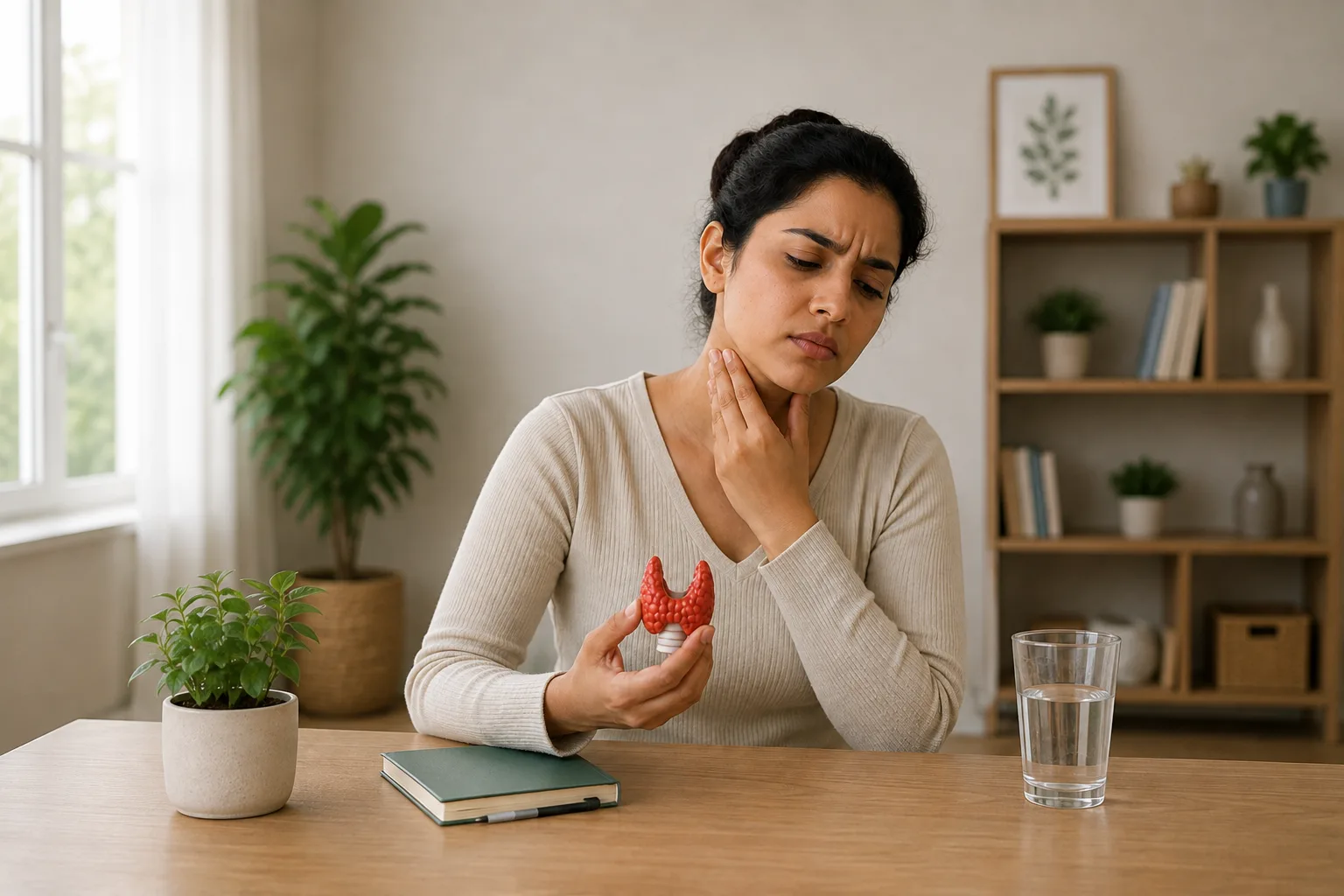
Thyroid disorders can affect many aspects of health because thyroid hormones influence important functions such as metabolism, energy levels, heart rate, body temperature, and other processes in the body. Common thyroid gland issues may include hypothyroidism, hyperthyroidism, Hashimoto thyroid disease, goiter, and other thyroid disorders. Symptoms can vary considerably depending on the type and severity of thyroid condition. At Green Zone Nature Ayurveda, our Ayurvedic doctors consider your symptoms, thyroid history, relevant medical reports, TSH and thyroid-function test results, medications, lifestyle, nutrition, and other individual health factors as part of the overall assessment. Based on your consultation and available health information, we guide a Customized Ayurvedic care approach according to your individual needs, while recognizing when appropriate medical or specialist evaluation is required.
Doctor-led, root-cause and report-based care — a plan made only for you.
Common Symptoms
What's Behind It
- Autoimmune Thyroid Conditions — Autoimmune conditions such as Hashimoto’s thyroiditis can cause the immune system to attack and gradually damage the thyroid gland, leading to hypothyroidism, while Graves’ disease can stimulate the thyroid and cause hyperthyroidism.
- Iodine Imbalance — Both inadequate and excessive iodine intake can affect normal thyroid function. Iodine deficiency can contribute to hypothyroidism and goiter, while excessive iodine can sometimes trigger thyroid overactivity in susceptible individuals.
- Thyroiditis & Inflammation — Inflammation of the thyroid gland, known as thyroiditis, can temporarily cause excessive thyroid hormone levels and may later lead to low thyroid hormone levels depending on the type and course of inflammation.
- Thyroid Nodules & Multinodular Goiter — Certain thyroid nodules or multiple thyroid nodules can produce excessive thyroid hormones and contribute to hyperthyroidism, while enlargement of the thyroid gland can result in a goiter.
- Thyroid Surgery, Radiation & Previous Treatment — Removal or damage of part or all of the thyroid through surgery, radiation treatment, or previous treatment for hyperthyroidism can reduce the thyroid gland’s ability to produce sufficient thyroid hormones.
- Medicines & Certain Medical Treatments — Some medicines, including lithium and amiodarone, as well as certain cancer treatments and other medical therapies, can interfere with thyroid function and may contribute to thyroid disorders in some individuals.
- Family History & Genetic Factors — A family history of thyroid disease or autoimmune conditions may increase the likelihood of developing certain thyroid disorders, including autoimmune thyroid conditions such as Hashimoto’s disease and Graves’ disease.
- Pituitary or Other Underlying Health Conditions — Problems affecting the pituitary gland can interfere with the signals that regulate thyroid hormone production, while pregnancy, postpartum changes, infections, and other underlying health conditions may also contribute to certain thyroid disorders.
Risks & Complications
Diagnosis & Reports
`Thyroid disorders are assessed through your medical history, symptoms, physical examination, thyroid health history, and appropriate laboratory investigations. Depending on your symptoms and the suspected thyroid condition, testing may include TSH and Free T4, while Free T3, thyroid antibody tests, or thyroid imaging may be recommended when clinically appropriate. TSH is commonly used as an initial thyroid-function test, while additional tests can help determine the type or possible cause of thyroid dysfunction, including conditions such as Hashimoto thyroid disease or hyperthyroidism.If you have recent TSH, Free T4, Free T3, thyroid antibody, ultrasound, or other relevant medical reports, you can upload them during your consultation. Our Ayurvedic doctors can review the available reports along with your symptoms, medical history, medications, lifestyle, and other health information as part of your overall assessment before guiding an appropriate Customized Ayurvedic care approach.`
Ayurvedic Understanding of Thyroid Disorders
In Ayurveda, thyroid-related concerns may be viewed through broader concepts such as Dosha balance, Agni, nutrition, metabolism, lifestyle, and overall health. From an Ayurvedic perspective, individual factors may be considered when understanding symptoms and developing an appropriate care approach. However, thyroid disorders can have different medical causes, including autoimmune conditions, thyroid inflammation, nodules, iodine-related factors, and other underlying health conditions, so appropriate medical assessment remains important. At Green Zone Nature Ayurveda, our Ayurvedic doctors consider this traditional Ayurvedic perspective alongside your symptoms, medical history, relevant thyroid reports, TSH and other thyroid-function tests, current medicines, lifestyle, nutrition, and individual health factors. Based on the overall assessment, a Customized Ayurvedic care approach may include Ayurvedic medicines, dietary guidance, lifestyle recommendations, appropriate therapies, and regular follow-up according to your individual needs. Ayurvedic care should complement appropriate medical evaluation and should not be used to delay necessary medical treatment or to stop, reduce, or replace prescribed thyroid medicines without guidance from your treating healthcare professional.
The Green Zone Approach
At Green Zone Nature Ayurveda, our approach to Thyroid Disorders begins with understanding your symptoms, thyroid history, relevant medical reports, TSH and other thyroid-function test results, current medicines, nutrition, lifestyle, and individual health factors. Rather than following the same approach for every thyroid concern, our Ayurvedic doctors consider your overall health assessment and guide a Customized Ayurvedic care approach with appropriate Ayurvedic medicines, diet and lifestyle guidance, supportive therapies where suitable, and regular follow-up. Ayurvedic care is considered alongside appropriate medical evaluation and should not replace or delay necessary thyroid treatment.
- 1
Thyroid Health Assessment
We begin by understanding your thyroid-related concerns, including symptoms such as fatigue, weight changes, temperature sensitivity, hair or skin changes, menstrual changes, palpitations, neck swelling, or other relevant symptoms. Our Ayurvedic doctors consider your medical history, previous thyroid treatment, current medicines, lifestyle, nutrition, and available thyroid reports as part of the initial health assessment.
- 2
Understanding Your Thyroid Health & Possible Contributing Factors
Thyroid disorders can have different causes and may affect individuals differently. We consider your symptoms, thyroid history, TSH and other relevant test results, medications, nutrition, lifestyle, sleep, stress, and other health factors to develop a more complete understanding of your concerns. Where appropriate, further medical evaluation or specialist assessment may also be recommended.
- 3
Customized Ayurvedic Care Plan
Based on your consultation and overall health assessment, our Ayurvedic doctors may develop a Customized Ayurvedic care approach according to your individual needs. Depending on your thyroid condition and suitability, this may include Ayurvedic medicines, dietary guidance, lifestyle recommendations, supportive care, or appropriate Ayurvedic therapies.
- 4
Guided Ayurvedic Care Begins
Once your care approach is established, you begin the recommended Ayurvedic care with appropriate guidance. This may include Ayurvedic formulations, nutrition and lifestyle guidance, physical activity, sleep and stress-management recommendations, or suitable therapies based on your individual assessment. Any prescribed thyroid medicines or other essential medical treatment should continue according to your treating doctor's advice.
- 5
Regular Thyroid Monitoring & Treatment Review
Regular follow-up allows our Ayurvedic doctors to review changes in your symptoms, energy, weight, lifestyle, overall health, and available thyroid reports. Relevant TSH and thyroid-function test results may be considered where appropriate. Your Ayurvedic care approach may be reviewed according to your ongoing health needs, while changes to prescribed thyroid medicines should only be made by the treating healthcare professional.
- 6
Long-Term Thyroid Health Support
As your care continues, the focus can extend towards maintaining sustainable nutrition, physical activity, sleep, stress-management, medication adherence, and healthy daily routines. Continued follow-up and appropriate thyroid monitoring can help you and your healthcare team stay informed about changes in thyroid function and overall health over time.
Our Treatment Approach
Customized Ayurvedic Care for Thyroid Disorder
Based on your thyroid condition, symptoms, TSH and other relevant reports, medical history, medications, lifestyle, nutrition, and overall health assessment, our Ayurvedic doctors may recommend a Customized Ayurvedic care approach according to your individual needs. The approach may focus on supporting overall wellbeing, nutrition, lifestyle, and health factors associated with your thyroid concerns.
Diet & Lifestyle Guidance for Thyroid Health
Nutrition, physical activity, sleep, stress management, hydration, and sustainable daily habits can form an important part of supportive thyroid care. Our approach may include practical guidance around food choices, meal patterns, activity, sleep, stress management, and other lifestyle factors according to your individual health needs.
Thyroid Health & Symptom Support
Our Ayurvedic doctors consider concerns such as fatigue, weight changes, hair thinning, temperature sensitivity, menstrual changes, digestive concerns, palpitations, or other thyroid-related symptoms as part of the overall assessment. Appropriate Ayurvedic care and lifestyle guidance may be recommended according to your thyroid condition and individual health profile.
Regular Thyroid Monitoring & Treatment Review
Regular follow-up allows our Ayurvedic doctors to review changes in your symptoms, thyroid health, lifestyle, and relevant medical reports such as TSH and thyroid-function tests. Your care approach may be reviewed according to your ongoing health needs, while prescribed thyroid medicines or other medical treatments should not be stopped, reduced, or changed without advice from your treating healthcare professional.
Diet & Lifestyle
Recommended
- Fresh, balanced home-cooked meals
- Adequate protein and fibre
- A variety of vegetables and seasonal foods
- Regular and balanced meal timings
- Adequate hydration
- Nutritionally balanced meals based on individual needs
Best Avoided
- Highly processed and packaged foods
- Excess added sugar and refined carbohydrates
- Excessively fried and heavily processed foods
- Frequent late-night heavy meals
- Unnecessary restrictive diets without professional guidance
What Results to Expect
Better Understanding of Your Thyroid Health, Symptoms, Reports & Individual Health Factors
Improved Nutrition, Lifestyle, Sleep, Physical Activity & Daily Health Habits
Regular Monitoring of Thyroid Symptoms, TSH Reports & Overall Health Changes
Ongoing Customized Ayurvedic Support, Follow-Up & Review of Your Care Approach
When to Consult a Doctor
- Persistent or Worsening Thyroid Symptoms — Consult a doctor if fatigue, unexplained weight changes, sensitivity to cold or heat, hair loss, constipation, palpitations, trembling, or other possible thyroid symptoms persist, recur, or gradually become worse.
- Abnormal TSH or Thyroid Test Results — If your TSH, Free T4, Free T3, or other thyroid-related blood tests are outside the expected range, consult a doctor for appropriate interpretation and further evaluation rather than relying on symptoms alone.
- Neck Swelling, Goiter or Thyroid Enlargement — Consult a doctor if you notice a new lump, swelling, fullness, or enlargement at the front of your neck, particularly if it continues to increase or is associated with other thyroid symptoms.
- Changes in Heart Rate, Palpitations or Trembling — Seek medical evaluation if you develop a persistently fast or irregular heartbeat, noticeable palpitations, unexplained trembling, or other symptoms that may indicate an overactive thyroid.
- Thyroid Symptoms During Pregnancy or While Planning Pregnancy — If you have a known thyroid disorder, abnormal thyroid reports, or significant thyroid symptoms while pregnant or planning pregnancy, discuss your thyroid health with your doctor because thyroid function may require closer monitoring during this period.
- Breathing Difficulty, Severe Confusion or Other Emergency Symptoms — Seek urgent medical attention if a goiter causes difficulty breathing or swallowing, or if severe thyroid symptoms occur with very rapid heartbeat, high fever, severe agitation, confusion, loss of consciousness, or other signs of a potentially life-threatening thyroid complication.
Modern Medicine vs Ayurveda
| Aspect | Modern Medicine | Green Zone Ayurveda |
|---|---|---|
| Focus | Manages symptoms | Treats the root cause |
| Treatment | Often one-size-fits-all | Customized to your reports |
| Medication | Can mean lifelong dependence | Aims to reduce dependence over time |
| Diet & lifestyle | Secondary | Central to the plan |
| Approach | Condition in isolation | Whole-body balance |
| Goal | Symptom control | Lasting wellness & prevention |
Why Patients Trust Green Zone
15+
Years of experience
1000s
Patients guided
3
Centres across India
100%
Report-based plans
Doctors Who Treat Thyroid Disorders
-1.webp)
Dr. Neha Mahajan | Ayurvedic Doctor & Founder
BAMS · Clinical Psychologist · International Yoga Teacher
Patient Reviews
Read how our root-cause, report-based care has helped patients find lasting balance and better health.
Frequently Asked Questions
Common hypothyroidism symptoms may include persistent fatigue, feeling unusually cold, dry skin, constipation, hair thinning or hair loss, weight gain, low energy, and changes in mood or concentration. However, these symptoms can also occur with other health conditions, so symptoms alone cannot confirm hypothyroidism. Appropriate thyroid blood tests, including TSH and Free T4 where appropriate, can help assess thyroid function.
Hypothyroidism occurs when the thyroid gland does not produce enough thyroid hormone, while hyperthyroidism occurs when the thyroid produces too much thyroid hormone. Hypothyroidism may be associated with fatigue, feeling cold, constipation, dry skin, and weight gain, whereas hyperthyroidism may cause heat sensitivity, sweating, palpitations, trembling, weight loss, and difficulty sleeping. The symptoms can overlap with other conditions, so thyroid function testing is important for appropriate assessment.
TSH, or thyroid-stimulating hormone, is produced by the pituitary gland and helps regulate thyroid hormone production. A TSH test is commonly used as an important part of thyroid-function assessment, with Free T4 and other tests considered depending on the individual's symptoms and suspected condition. In hyperthyroidism, TSH is often low while T4 and/or T3 may be elevated; in common forms of hypothyroidism, TSH is often elevated and Free T4 may be low.
Ayurvedic care may be used as a complementary approach to support overall wellbeing, nutrition, lifestyle, and symptom management in people with thyroid concerns. At Green Zone Nature Ayurveda, our Ayurvedic doctors consider your thyroid history, symptoms, TSH and other relevant reports, current medicines, nutrition, lifestyle, and overall health before recommending a Customized Ayurvedic care approach. Ayurvedic care should not be used to replace necessary thyroid treatment, and prescribed thyroid medicines should not be stopped, reduced, or changed without guidance from your treating healthcare professional.
Hashimoto thyroid disease, also called Hashimoto's thyroiditis, is an autoimmune condition in which the immune system attacks the thyroid gland and can lead to hypothyroidism. Assessment may involve thyroid-function tests and, when appropriate, thyroid antibody testing. Ayurvedic care may be considered as complementary support based on your symptoms, medical reports, lifestyle, nutrition, and overall health assessment, but it should not replace appropriate medical monitoring or prescribed thyroid treatment.
A goiter is an enlargement of the thyroid gland and can occur for several reasons, including hypothyroidism, hyperthyroidism, thyroid nodules, thyroiditis, autoimmune thyroid conditions, and other factors. Evaluation may include blood tests, thyroid ultrasound, and in some situations a fine-needle biopsy or other investigations to understand the cause. Treatment depends on the underlying condition and whether the goiter is causing symptoms such as difficulty swallowing or breathing.
Thyroid eye disease is an eye condition that can occur particularly with Graves' disease. Symptoms may include dry or gritty eyes, redness, sensitivity to light, swelling around the eyes, double vision, or bulging eyes. If you experience new or worsening eye symptoms, vision changes, double vision, significant eye pain, or difficulty seeing, appropriate medical or ophthalmic evaluation should be sought promptly.
Yes. Green Zone Nature Ayurveda offers online audio and video consultations as well as in-person Ayurvedic consultations. During the consultation, you can share your thyroid symptoms, medical history, current medicines, TSH and other thyroid-function reports, previous treatment details, and relevant health information. Based on the available information and overall assessment, our Ayurvedic doctors can discuss an appropriate Customized Ayurvedic care approach. If your reports or symptoms indicate a need for medical or specialist evaluation, appropriate medical care should not be delayed.
Related Conditions
Type 1 Diabetes
Understand Blood Sugar, Insulin Needs & Long-Term Diabetes Care
Type 2 Diabetes
Understand your blood sugar beyond the numbers.
Liver Disorders
Fatty Liver & Liver Disorders: Understand Liver Health, Symptoms, Tests & Treatment Options
Kidney Disorders
Kidney Disorders: Understand Your Kidney Health, Symptoms, Tests & Possible Causes
PCOD / PCOS
PCOS & PCOD: Understand Your Hormonal Health, Menstrual Cycle & Overall Wellbeing
Joint & Spine
Joint & Spine Problems: Understand the Causes Behind Joint Pain, Stiffness & Discomfort
Book Your First Free Consultation Today
Talk to Dr. Neha Mahajan and the Green Zone team — online or offline. Root-cause, report-based and personalised care, made only for you.
+91 8962625757 · centres@gzna.in