.webp)
PCOD / PCOS
PCOS & PCOD: Understand Your Hormonal Health, Menstrual Cycle & Overall Wellbeing
15 दिनों में PCOD जैसी समस्या में मिला बदलाव! | Patient की जुबानी | Dr. Neha Mahajan
Understanding PCOD / PCOS
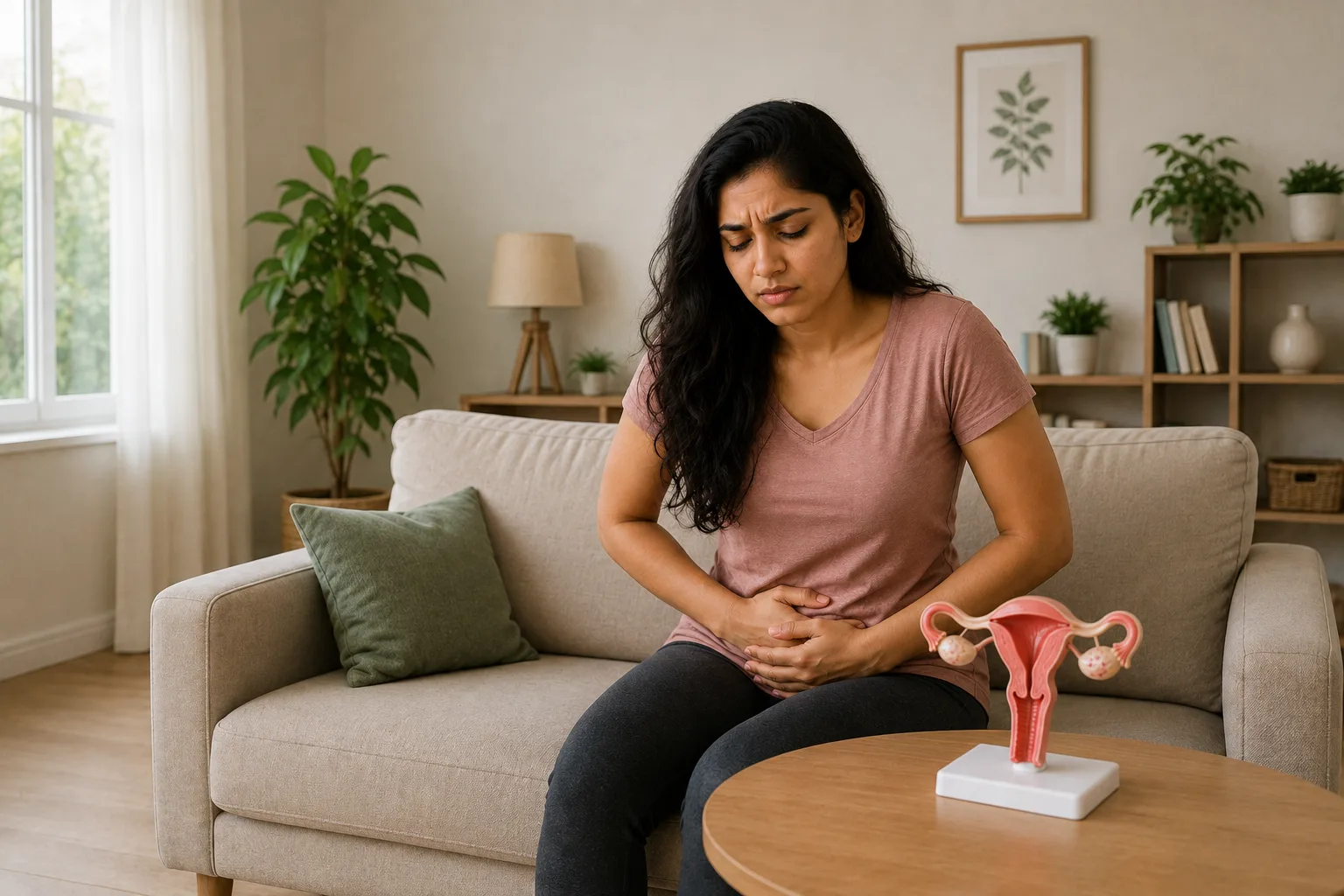
PCOS and PCOD are hormonal health concerns that can affect the menstrual cycle, periods, ovulation, fertility, skin, hair, weight, and overall wellbeing. Common concerns may include irregular periods, delayed periods, an irregular menstrual cycle, abnormal menstruation, acne, unwanted hair growth, hair thinning, or difficulty conceiving. However, irregular or delayed periods can have several possible causes, so appropriate assessment is important. At Green Zone Nature Ayurveda, our Ayurvedic doctors consider your menstrual history, symptoms, medical history, relevant medical reports, lifestyle, nutrition, and individual health factors as part of the overall assessment. Based on your consultation and health assessment, we guide a Customized Ayurvedic treatment approach focused on your individual PCOS/PCOD and menstrual-health concerns, with appropriate dietary and lifestyle guidance, Ayurvedic care, and regular follow-up.
Doctor-led, root-cause and report-based care — a plan made only for you.
Common Symptoms
What's Behind It
- Hormonal Imbalance & Irregular Ovulation — PCOS is associated with hormonal changes that can affect ovulation and contribute to irregular periods, delayed periods, and other menstrual-cycle changes.
- Insulin Resistance & Metabolic Factors — Insulin resistance and related metabolic factors may be associated with PCOS and can influence hormonal activity and overall metabolic health.
- Genetic & Family Factors — PCOS may run in families, suggesting that genetic factors can contribute to a person's likelihood of developing the condition.
- Androgen-Related Hormonal Changes — Higher levels or effects of androgens may contribute to concerns such as unwanted facial hair, acne, oily skin, and scalp hair thinning.
- Weight & Metabolic Changes — Changes in body weight and metabolic health may interact with hormonal and insulin-related factors associated with PCOS, although PCOS can occur at different body sizes.
- Stress, Lifestyle & Daily Habits — Stress, significant changes in weight, excessive exercise, sleep patterns, and other lifestyle factors can affect menstrual regularity and may contribute to delayed or irregular periods.
- Other Hormonal or Health Conditions — Irregular or delayed menstruation is not always caused by PCOS. Thyroid disorders, pregnancy, hormonal contraception, significant weight changes, and other health conditions can also affect the menstrual cycle and may need to be considered during assessment.
Risks & Complications
Diagnosis & Reports
We begin by understanding your menstrual history, PCOS/PCOD symptoms, medical history, previous treatments, medications or supplements, lifestyle, nutrition, weight changes, and other relevant health factors. We also consider concerns such as irregular periods, delayed periods, heavy bleeding, acne, unwanted hair growth, hair thinning, and difficulty conceiving. If you have previous blood tests, hormone reports, thyroid reports, blood sugar or metabolic reports, ultrasound reports, prescriptions, or other relevant medical records, you can upload them during your consultation so our Ayurvedic doctors can consider the available information as part of your overall health assessment. Where appropriate, relevant medical investigations may be recommended to help understand possible causes of irregular menstruation or other PCOS/PCOD-related concerns. Depending on the individual situation, medical evaluation for PCOS may involve assessment of symptoms and medical history, blood tests, and sometimes ultrasound or other investigations. Not every person requires the same tests, and an ultrasound alone does not establish PCOS. Based on your symptoms, available reports, medical history, and overall assessment, our Ayurvedic doctors can guide an appropriate Customized Ayurvedic treatment approach while recognizing when further medical or specialist evaluation may be appropriate
Ayurvedic Understanding of PCOD / PCOS
In Ayurveda, women’s reproductive and menstrual health is understood as part of the body's overall balance and may be considered in relation to the Doshas, Agni, nutrition, lifestyle, stress, and the health of body tissues. From an Ayurvedic perspective, an imbalance in Vata, Pitta, or Kapha may be considered while assessing concerns such as irregular periods, delayed periods, abnormal menstruation, heavy periods, menstrual discomfort, and other PCOS/PCOD-related concerns. At Green Zone Nature Ayurveda, we do not follow a one-size-fits-all approach. Our Ayurvedic doctors consider your menstrual history, symptoms, medical history, relevant medical reports, diet, lifestyle, sleep, stress, and other individual health factors as part of the overall assessment. Based on the consultation and Ayurvedic assessment, a Customized Ayurvedic treatment approach may include Ayurvedic medicines, dietary guidance, lifestyle recommendations, appropriate therapies, and regular follow-up. For concerns such as PCOS, PCOD, irregular menstrual cycle, delayed periods, or recurring menstrual problems, the Ayurvedic approach may focus on understanding the individual factors associated with the concern rather than addressing only the visible symptoms. Where appropriate, relevant medical evaluation and investigations may also be considered alongside Ayurvedic care.
The Green Zone Approach
At Green Zone Nature Ayurveda, our approach to PCOS/PCOD begins with understanding your menstrual history, symptoms, medical reports, lifestyle, nutrition, and individual health factors. Rather than following the same approach for everyone, our Ayurvedic doctors develop a Customized Ayurvedic care approach based on your overall health assessment, with appropriate diet and lifestyle guidance, Ayurvedic care, and regular follow-up.
- 1
PCOS/PCOD Health Assessment
We begin by understanding your menstrual history, PCOS/PCOD symptoms, previous treatments, medical history, medications or supplements, lifestyle, nutrition, and relevant medical reports. Concerns such as irregular periods, delayed periods, heavy bleeding, acne, unwanted hair growth, hair thinning, weight changes, and fertility concerns are considered as part of your overall health assessment.
- 2
Understanding the Possible Contributing Factors
PCOS/PCOD and menstrual concerns can have different contributing factors for different individuals. Our Ayurvedic doctors consider your symptoms, menstrual cycle, nutrition, lifestyle, sleep, stress, health history, and available medical information to develop a more complete understanding of your concerns. Where appropriate, relevant medical evaluation may also be considered.
- 3
Customized Ayurvedic Treatment Plan
Based on your consultation and overall health assessment, we develop a Customized Ayurvedic treatment approach according to your individual needs. Depending on your concerns, this may include Ayurvedic medicines, dietary guidance, lifestyle recommendations, and appropriate Ayurvedic care.
- 4
Guided Ayurvedic Care Begins
Once your treatment approach is established, you begin your recommended Ayurvedic care with appropriate guidance. This may include Ayurvedic formulations, nutrition and lifestyle guidance, physical activity recommendations, stress-management support, or suitable Ayurvedic therapies depending on your individual health assessment.
- 5
Regular Follow-Up & Treatment Review
Regular follow-up allows our Ayurvedic doctors to review changes in your menstrual cycle, periods, symptoms, lifestyle, and overall health. Relevant medical reports or health updates may also be considered where appropriate. Based on the follow-up assessment, your Ayurvedic medicines, diet and lifestyle guidance, or other recommended care may be reviewed and adjusted according to your ongoing health needs.
- 6
Long-Term Menstrual & Women's Health Support
As your care continues, the focus can extend towards supporting healthy daily habits and long-term menstrual and women's health. Continued guidance regarding nutrition, physical activity, sleep, stress management, menstrual tracking, and other appropriate lifestyle factors may form part of your ongoing care approach.
Our Treatment Approach
Customized Ayurvedic Care
Based on your PCOS/PCOD symptoms, menstrual history, health history, relevant medical reports, lifestyle, nutrition, and overall assessment, our Ayurvedic doctors may recommend a Customized Ayurvedic treatment approach according to your individual needs. The approach may focus on supporting menstrual health, overall wellbeing, and relevant lifestyle and health factors rather than following the same treatment for every patient.
Diet & Lifestyle Guidance
Healthy nutrition, regular physical activity, adequate sleep, stress management, and sustainable daily habits can form an important part of PCOS/PCOD care. Our approach may include practical guidance related to food choices, meal patterns, activity, sleep, stress, and other lifestyle factors according to your individual health needs. Evidence-based PCOS guidance also emphasizes healthy lifestyle throughout the lifespan, without requiring one specific diet or exercise program for everyone.
Menstrual & Hormonal Health Support
Our Ayurvedic doctors consider concerns such as irregular periods, delayed periods, irregular menstrual cycles, abnormal menstruation, menstrual discomfort, and other PCOS/PCOD-related symptoms as part of the overall assessment. Based on your individual health profile, Ayurvedic care and lifestyle guidance may be recommended to support menstrual and overall health.
Regular Follow-Up & Treatment Review
Regular follow-up allows our Ayurvedic doctors to review changes in your menstrual cycle, symptoms, lifestyle, overall health, and relevant medical reports. Based on the follow-up assessment, your Ayurvedic medicines, diet and lifestyle guidance, or other recommended care may be reviewed and adjusted according to your ongoing health needs. If conventional medical treatment or specialist care is already part of your healthcare, it should not be stopped or changed without advice from the treating healthcare professional.
Diet & Lifestyle
Recommended
- Fresh, balanced home-cooked meals
- Protein- and fibre-rich foods
- A variety of vegetables and seasonal foods
- Whole grains and minimally processed foods
- Regular, balanced meal timings
- Adequate hydration and daily physical activity
Best Avoided
- Excess added sugar and sugary drinks
- Highly processed and packaged foods
- Excess refined carbohydrates
- Frequent fried and fast foods
- Skipping meals followed by overeating
- Unnecessarily restrictive diets without professional guidance
What Results to Expect
Better Understanding of Your Menstrual Health, PCOS/PCOD Symptoms & Possible Contributing Factors
Improved Diet, Lifestyle, Physical Activity, Sleep & Stress-Management Habits for Better Overall Health
Regular Monitoring of Menstrual Cycles, Period Patterns, PCOS/PCOD Symptoms & Overall Health Changes
Ongoing Customized Ayurvedic Support, Regular Follow-Up & Review of Your Treatment Approach According to Your Health Needs
When to Consult a Doctor
- Persistent or Repeatedly Irregular Periods — Consult a doctor if your menstrual cycle repeatedly becomes irregular, periods are frequently delayed, or your usual period pattern changes significantly.
- Repeatedly Delayed or Missed Periods — Medical assessment is recommended if you repeatedly miss periods or have missed three periods in a row, particularly when other symptoms are present.
- Heavy Periods or Excessive Bleeding — Consult a doctor if heavy bleeding affects your daily life, requires frequent changing of menstrual products, lasts longer than usual, or is associated with tiredness or shortness of breath.
- Bleeding Between Periods or After Sex — Unusual bleeding between periods or after sex should be evaluated by a healthcare professional to understand the possible cause.
- Severe or Increasing Period Pain — Seek medical evaluation if period or pelvic pain becomes severe, worsens over time, or starts affecting your normal daily activities.
- PCOS Symptoms With Fertility Concerns — If irregular periods, delayed menstruation, or other PCOS symptoms are accompanied by difficulty conceiving, discuss the situation with a doctor or appropriate women's-health specialist for further evaluation.
Modern Medicine vs Ayurveda
| Aspect | Modern Medicine | Green Zone Ayurveda |
|---|---|---|
| Focus | Manages symptoms | Treats the root cause |
| Treatment | Often one-size-fits-all | Customized to your reports |
| Medication | Can mean lifelong dependence | Aims to reduce dependence over time |
| Diet & lifestyle | Secondary | Central to the plan |
| Approach | Condition in isolation | Whole-body balance |
| Goal | Symptom control | Lasting wellness & prevention |
Why Patients Trust Green Zone
15+
Years of experience
1000s
Patients guided
3
Centres across India
100%
Report-based plans
Doctors Who Treat PCOD / PCOS
-1.webp)
Dr. Neha Mahajan | Ayurvedic Doctor & Founder
BAMS · Clinical Psychologist · International Yoga Teacher
Patient Reviews
Read how our root-cause, report-based care has helped patients find lasting balance and better health.
Frequently Asked Questions
Ayurvedic care may help support the management of PCOS/PCOD-related concerns as part of an individualized healthcare approach. The approach may consider your menstrual history, symptoms, medical reports, nutrition, lifestyle, stress, and other individual health factors before recommending appropriate care. Depending on your assessment, Ayurvedic treatment may include Ayurvedic medicines, diet and lifestyle guidance, and suitable therapies. PCOS can affect different people differently, so the treatment approach and expected response may vary from person to person.
Irregular periods and delayed periods can occur for several different reasons, including PCOS/PCOD, thyroid disorders, pregnancy, significant weight changes, stress, certain medicines, and other health conditions. Ayurvedic care may support menstrual health after an appropriate assessment of your symptoms, menstrual history, lifestyle, and available medical information. If periods remain irregular, are repeatedly delayed, or you miss several periods, appropriate medical evaluation is important to understand the possible cause rather than assuming that PCOS is the only reason.
A healthy and sustainable lifestyle can form an important part of PCOS management. Depending on your individual health needs, this may include balanced nutrition, regular physical activity, adequate sleep, stress management, hydration, and sustainable daily routines. There is no single diet or exercise plan that is suitable for every person with PCOS, so dietary and lifestyle recommendations should be individualized rather than based on extreme food restrictions or crash diets.
PCOS can affect ovulation and may make conception more difficult for some women, particularly when menstrual cycles are irregular or ovulation does not occur regularly. However, having PCOS does not mean that pregnancy is impossible. If you are trying to conceive and have irregular periods, delayed menstruation, or difficulty getting pregnant, appropriate evaluation by a doctor or women's-health specialist can help identify the factors affecting fertility and discuss suitable treatment options.
No. You should not stop, reduce, or change any prescribed medicine on your own while starting Ayurvedic treatment. If you are taking medicines for PCOS, diabetes, thyroid problems, hormonal concerns, menstrual problems, or any other health condition, continue them as prescribed unless your treating healthcare professional advises otherwise. During your Ayurvedic consultation, share your current medicines, supplements, prescriptions, and relevant medical reports so the Ayurvedic doctor can consider your existing healthcare as part of the overall assessment.
Assessment for PCOS may involve your symptoms, menstrual history, medical history, physical assessment, blood tests, and in some situations ultrasound or other investigations. The exact evaluation depends on the individual situation, and an ultrasound alone does not establish a diagnosis of PCOS. If you have previous hormone reports, thyroid tests, blood sugar or metabolic reports, ultrasound reports, or other relevant medical records, you can share them during your consultation for consideration as part of your overall health assessment.
You should consider consulting a doctor if your periods repeatedly become irregular, are frequently delayed, or your usual menstrual pattern changes significantly. Medical evaluation is particularly important if you miss three periods in a row, experience bleeding between periods, have very heavy or prolonged bleeding, develop severe period or pelvic pain, or have irregular periods along with difficulty conceiving. Irregular menstruation can have causes other than PCOS, so appropriate assessment can help identify the possible reason.
Yes. Green Zone Nature Ayurveda offers online audio and video consultations as well as in-person Ayurvedic consultations. During an online consultation, you can share your PCOS/PCOD concerns, menstrual history, previous treatment details, current medicines, lifestyle information, and relevant medical reports. Based on the available information and overall health assessment, our Ayurvedic doctors can discuss an appropriate Customized Ayurvedic care approach according to your individual needs. If your symptoms require further medical or specialist evaluation, appropriate medical care should not be delayed.
Related Conditions
Type 1 Diabetes
Understand Blood Sugar, Insulin Needs & Long-Term Diabetes Care
Type 2 Diabetes
Understand your blood sugar beyond the numbers.
Liver Disorders
Fatty Liver & Liver Disorders: Understand Liver Health, Symptoms, Tests & Treatment Options
Kidney Disorders
Kidney Disorders: Understand Your Kidney Health, Symptoms, Tests & Possible Causes
Thyroid Disorders
Understand Your Thyroid Health, Symptoms, TSH & Underlying Factors
Joint & Spine
Joint & Spine Problems: Understand the Causes Behind Joint Pain, Stiffness & Discomfort
Book Your First Free Consultation Today
Talk to Dr. Neha Mahajan and the Green Zone team — online or offline. Root-cause, report-based and personalised care, made only for you.
+91 8962625757 · centres@gzna.in