.webp)
Liver Disorders
Fatty Liver & Liver Disorders: Understand Liver Health, Symptoms, Tests & Treatment Options
Understanding Liver Disorders
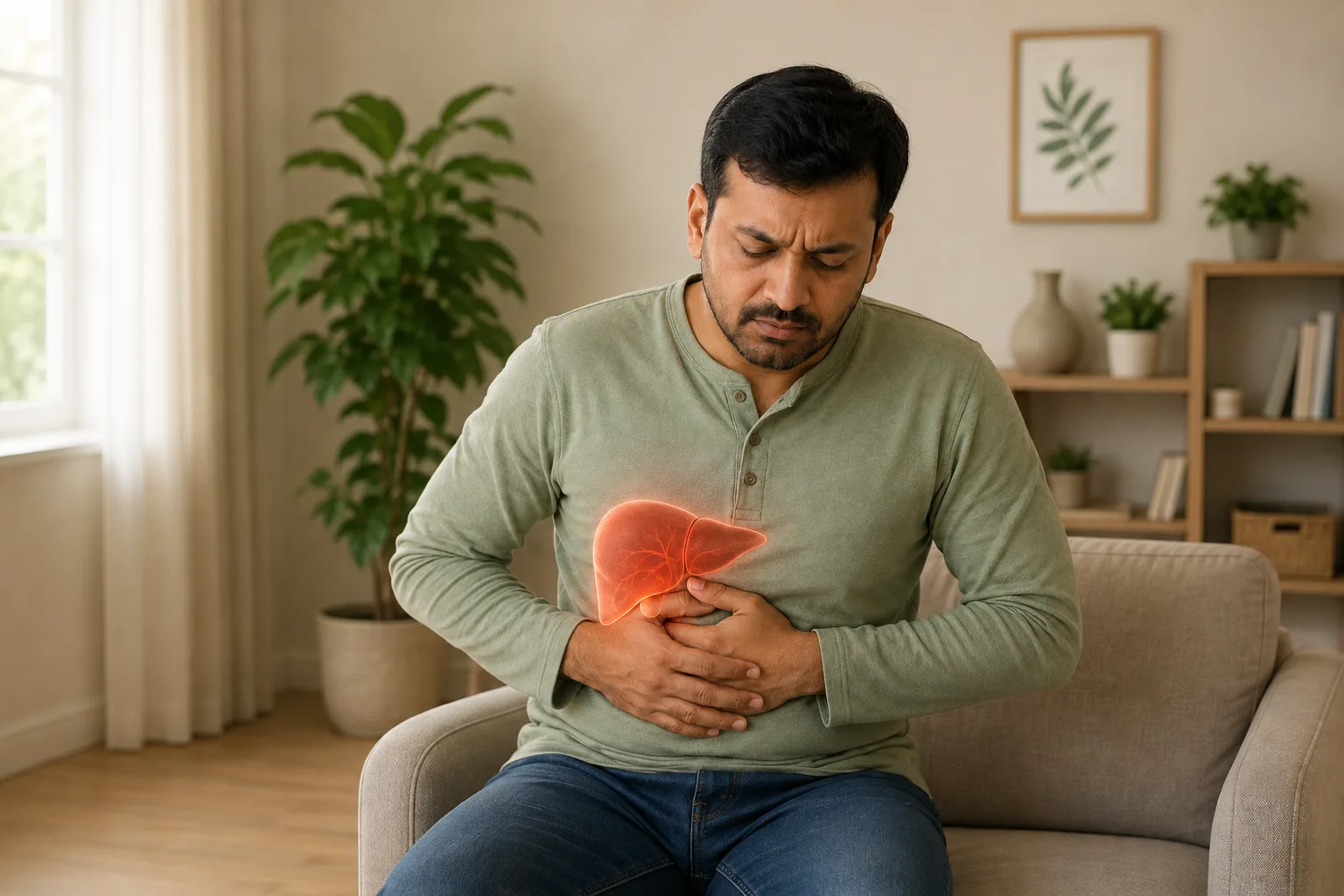
Fatty liver disease, also known as hepatic steatosis, occurs when excess fat builds up in the liver. It may develop with few or no noticeable symptoms, while some people may experience fatigue or discomfort in the upper-right abdomen. Liver disorders can also include hepatitis, liver inflammation, cirrhosis, liver failure, and other conditions affecting liver health. At Green Zone Nature Ayurveda, our Ayurvedic doctors consider your symptoms, medical history, relevant liver-function reports, blood tests, imaging reports, medications, nutrition, lifestyle, and other individual health factors as part of the overall assessment. Based on your consultation and available health information, we guide a Customized Ayurvedic care approach according to your individual needs, while recognizing when appropriate medical or specialist evaluation is required. For concerns such as fatty liver, the appropriate approach may involve assessment of liver health, metabolic factors, nutrition, physical activity, and relevant medical reports.
Doctor-led, root-cause and report-based care — a plan made only for you.
Common Symptoms
What's Behind It
- Overweight, Obesity & Excess Body Fat — Excess body weight and obesity are important risk factors for fatty liver disease, particularly metabolic dysfunction-associated steatotic liver disease (MASLD).
- Insulin Resistance & Type 2 Diabetes — Insulin resistance and type 2 diabetes are strongly associated with fatty liver disease and may increase the risk of liver inflammation and progressive liver damage.
- High Cholesterol, Triglycerides & Metabolic Syndrome — Abnormal blood fats, high triglycerides, high blood pressure, elevated blood glucose, and other features of metabolic syndrome may increase the likelihood of developing fatty liver disease.
- Unhealthy Diet & Excess Added Sugar — Diets high in calories, added sugars, and certain unhealthy fats may contribute to metabolic risk factors associated with fatty liver disease.
- Excessive Alcohol Consumption — Heavy alcohol use can cause alcohol-associated liver disease and fatty buildup in the liver and may contribute to progressive liver damage and cirrhosis.
- Viral Hepatitis & Liver Infections — Long-term infections such as hepatitis B and hepatitis C can cause ongoing liver inflammation and damage and may eventually contribute to cirrhosis.
- Medicines, Toxins & Certain Medical Treatments — Some medicines, toxins, and medical treatments can affect the liver or contribute to fat accumulation and liver injury in susceptible individuals.
- Autoimmune, Genetic & Other Underlying Conditions — Autoimmune liver diseases, inherited conditions, bile-duct disorders, and other underlying health conditions can also cause liver inflammation, scarring, or impaired liver function.
Risks & Complications
Diagnosis & Reports
We review your medical history, symptoms, previous treatment, medications, and available liver reports as part of your overall liver health assessment. Depending on your condition and the concerns being evaluated, investigations may include liver blood tests such as ALT, AST, bilirubin, and albumin, along with other blood tests and imaging such as an ultrasound. Additional tests, including fibrosis assessment or other investigations, may be recommended by your doctor when clinically appropriate. Upload your recent medical reports, liver-function tests, blood tests, and imaging reports before your consultation so our Ayurvedic doctors can review the available information as part of your current liver health assessment. For fatty liver or hepatic steatosis, blood tests and imaging can help assess liver health and identify possible contributing factors, although the exact tests required can vary from person to person.
Ayurvedic Understanding of Liver Disorders
In Ayurveda, liver health is closely connected with Agni (digestive and metabolic function), Pitta, and the body's overall metabolic processes. Imbalances in these factors may be considered in the Ayurvedic understanding of concerns associated with digestion, metabolism, inflammation, and liver health. For conditions such as fatty liver disease, fatty liver, and hepatic steatosis, an Ayurvedic assessment may consider your symptoms, digestion, dietary habits, lifestyle, weight, metabolic health, medical history, and relevant liver reports to understand the individual factors that may be contributing to your health concerns. At Green Zone Nature Ayurveda, our Ayurvedic doctors use this Ayurvedic understanding alongside relevant medical information and reports to guide a Customized Ayurvedic care approach. Depending on your individual health assessment, this may include dietary and lifestyle guidance, Ayurvedic medicines or formulations where appropriate, and regular follow-up. Ayurvedic or herbal products should be used under appropriate professional guidance because some supplements and herbal products can potentially cause liver injury.
The Green Zone Approach
At Green Zone Nature Ayurveda, our approach to Fatty Liver Disease and other liver disorders begins with understanding the complete health picture. We consider your symptoms, relevant liver reports, medical history, medications, nutrition, lifestyle, metabolic health, and individual health factors to guide a Customized Ayurvedic care approach with appropriate medical follow-up where required.
- 1
Liver Health Assessment
We begin by understanding your symptoms, medical history, medications, lifestyle, nutrition, and available liver reports, including relevant blood tests and imaging reports.
- 2
Understanding the Possible Causes
Our Ayurvedic doctors consider possible contributing factors such as diet, weight, physical activity, metabolic health, alcohol intake, medications, and other individual health factors associated with fatty liver or other liver concerns.
- 3
Customized Ayurvedic Care Plan
Based on your consultation and overall health assessment, we guide a Customized Ayurvedic care plan that may include appropriate Ayurvedic formulations, dietary guidance, lifestyle recommendations, and supportive care.
- 4
Guided Treatment & Lifestyle Changes
Your care plan focuses on sustainable nutrition and lifestyle changes along with appropriate Ayurvedic care. For fatty liver, healthy eating, physical activity, and gradual weight management are important parts of evidence-based management.
- 5
Continuous Follow-Up
Regular follow-up allows us to review your symptoms, lifestyle changes, overall wellbeing, and available medical reports and make appropriate adjustments to your care approach.
- 6
Ongoing Liver Health Support
We continue to support your long-term liver health through appropriate lifestyle guidance, Ayurvedic care, and coordination with medical or specialist care when clinically required.
-16.webp)
Our Treatment Approach
Customized Ayurvedic Medicines & Formulations
Based on your symptoms, health history, relevant medical reports, and overall assessment, our Ayurvedic doctors may recommend appropriate Ayurvedic medicines or formulations as part of your Customized Ayurvedic care approach. Any herbal or Ayurvedic product should be selected and used under professional guidance, particularly when you have an existing liver condition or take other medicines.
Liver-Friendly Diet & Lifestyle Guidance
Diet and lifestyle are important parts of managing fatty liver disease and metabolic liver health. Our approach may include guidance on balanced nutrition, portion awareness, physical activity, healthy weight management, and reducing dietary factors that may contribute to metabolic risk. Gradual, sustainable lifestyle changes are generally preferred over rapid weight loss.
Ayurvedic Support for Digestive & Metabolic Health
Ayurvedic care may focus on supporting healthy digestion, dietary habits, daily routines, and broader metabolic health according to your individual assessment. This may be particularly relevant when fatty liver is associated with concerns such as excess weight, insulin resistance, type 2 diabetes, or metabolic health factors.
Continuous Follow-Up & Liver Health Review
Regular follow-up helps our Ayurvedic doctors review your symptoms, dietary and lifestyle changes, overall wellbeing, and available liver reports over time. Where clinically appropriate, continued medical evaluation and specialist care remain important, particularly for advanced liver disease, cirrhosis, liver failure, or other serious liver conditions.
Diet & Lifestyle
Recommended
- Fresh, home-cooked and balanced meals
- Adequate vegetables and fibre-rich foods
- Appropriate protein intake based on your condition
- Regular, balanced meal timings
- Adequate hydration, as advised by your doctor
- A diet plan customized to your liver condition and reports
Best Avoided
- Excess alcohol
- Sugary drinks and excess added sugar
- Highly processed and packaged foods
- Excess fried and heavily oily foods
- Unnecessary supplements or herbal products without medical advice
- Crash diets and extreme fasting without professional guidance
What Results to Expect
Better Understanding of Your Liver Health — A clearer understanding of your liver-related concerns, available medical reports, lifestyle factors, metabolic health, and possible factors associated with fatty liver disease or other liver disorders.
Improved Diet & Lifestyle Habits — Appropriate guidance may help you develop healthier eating patterns, better portion awareness, regular physical activity, and sustainable lifestyle habits that support liver and metabolic health.
Better Support for Metabolic Health — A Customized care approach may focus on lifestyle and metabolic factors such as excess weight, insulin resistance, blood sugar, cholesterol, and physical activity that can be associated with fatty liver disease.
Regular Review of Symptoms & Liver Reports — Continuous follow-up allows changes in symptoms, lifestyle habits, overall wellbeing, and relevant liver reports to be reviewed over time so that appropriate care or further medical evaluation can be considered when required.
Long-Term Liver Health Support — Ongoing guidance focuses on sustainable lifestyle habits and appropriate Ayurvedic care to support long-term liver health rather than promising a fixed treatment outcome or guaranteed cure.
When to Consult a Doctor
- Persistent or Recurring Liver-Related Symptoms — Consult a doctor if fatigue, loss of appetite, nausea, upper-right abdominal discomfort, itching, or other liver-related symptoms persist, recur, or gradually worsen.
- Abnormal Liver Reports or Liver Function Tests — If your ALT, AST, bilirubin, albumin, or other liver-related test results are abnormal, discuss them with a doctor to understand the possible cause and whether further evaluation is required
- Jaundice, Dark Urine or Pale Stools — Yellowing of the skin or eyes, particularly when accompanied by dark urine or unusually pale stools, should receive prompt medical evaluation because it can indicate a liver or bile-flow problem.
- Unexplained Weight Loss or Increasing Abdominal Swelling — Unintentional weight loss, persistent abdominal swelling, or swelling of the legs, ankles, or feet should be medically assessed, particularly in someone with known liver disease.
- Known Fatty Liver, Hepatitis or Other Liver Disease — If you have been diagnosed with fatty liver disease, hepatitis, cirrhosis, or another liver condition, regular medical follow-up and appropriate monitoring can help assess liver health and identify progression or complications.
- Vomiting Blood, Black Stools or Sudden Confusion — Vomiting blood, passing black or bloody stools, or suddenly becoming confused can indicate serious complications of advanced liver disease and requires urgent emergency medical care rather than waiting for an Ayurvedic consultation.
Modern Medicine vs Ayurveda
| Aspect | Modern Medicine | Green Zone Ayurveda |
|---|---|---|
| Focus | Manages symptoms | Treats the root cause |
| Treatment | Often one-size-fits-all | Customized to your reports |
| Medication | Can mean lifelong dependence | Aims to reduce dependence over time |
| Diet & lifestyle | Secondary | Central to the plan |
| Approach | Condition in isolation | Whole-body balance |
| Goal | Symptom control | Lasting wellness & prevention |
Why Patients Trust Green Zone
15+
Years of experience
1000s
Patients guided
3
Centres across India
100%
Report-based plans
Doctors Who Treat Liver Disorders
-1.webp)
Dr. Neha Mahajan | Ayurvedic Doctor & Founder
BAMS · Clinical Psychologist · International Yoga Teacher
Patient Reviews
Read how our root-cause, report-based care has helped patients find lasting balance and better health.
Frequently Asked Questions
Fatty liver disease occurs when excess fat builds up in the liver. It may occur with few or no noticeable symptoms and can be associated with factors such as overweight or obesity, insulin resistance, type 2 diabetes, abnormal blood fats, and other metabolic factors. Medical assessment can help determine the possible cause and whether there are signs of liver inflammation or fibrosis.
Fatty liver is often a silent condition, so many people may not notice any symptoms. When symptoms occur, they may include tiredness or discomfort in the upper-right side of the abdomen. More advanced liver disease can cause symptoms such as jaundice, swelling, itching, weight loss, or confusion, which require appropriate medical evaluation.
Depending on your symptoms and health history, doctors may use blood tests, liver-function tests, and imaging such as ultrasound. Additional assessments such as elastography may be used to evaluate liver stiffness and possible fibrosis. In selected cases, a liver biopsy may be recommended when more detailed assessment is required.
Liver failure and advanced liver disease require medical assessment rather than relying on symptoms alone. Evaluation may include blood tests that assess liver enzymes, bilirubin, albumin, blood counts, clotting-related measures, and other relevant health markers, along with imaging or additional investigations when required. The specific tests depend on the person's condition and suspected cause.
Diet and lifestyle changes are important parts of managing fatty liver disease. Depending on your individual health condition, a doctor may recommend healthier food choices, appropriate portion sizes, regular physical activity, and gradual weight management where appropriate. The specific approach should be individualized according to your health, medical history, and metabolic risk factors.
Ayurvedic care may be used as part of an individualized approach to overall health, including dietary habits, lifestyle, digestion, and metabolic health. At Green Zone Nature Ayurveda, relevant medical reports, health history, medications, symptoms, nutrition, and lifestyle factors are considered before guiding a Customized Ayurvedic care approach. Ayurveda should not be presented as a replacement for necessary medical evaluation or specialist treatment, particularly in advanced liver disease. Also, some herbal products can potentially cause liver injury, so Ayurvedic or herbal products should be used under appropriate professional guidance.
Liver failure is a serious medical condition that requires specialist medical care. Ayurvedic care should not be considered a replacement for emergency or specialist treatment for liver failure. People with liver failure may require advanced medical management and, in some cases, liver transplantation. If you have symptoms or reports suggesting severe liver dysfunction, seek appropriate medical evaluation promptly.
You should seek medical evaluation if you have persistent or worsening liver-related symptoms, abnormal liver-function tests, jaundice, dark urine, pale stools, unexplained weight loss, increasing abdominal or leg swelling, or known liver disease. Vomiting blood, black or bloody stools, or sudden confusion can indicate serious complications and require urgent medical attention rather than waiting for an Ayurvedic consultation.
Related Conditions
Type 1 Diabetes
Understand Blood Sugar, Insulin Needs & Long-Term Diabetes Care
Type 2 Diabetes
Understand your blood sugar beyond the numbers.
Kidney Disorders
Kidney Disorders: Understand Your Kidney Health, Symptoms, Tests & Possible Causes
Thyroid Disorders
Understand Your Thyroid Health, Symptoms, TSH & Underlying Factors
PCOD / PCOS
PCOS & PCOD: Understand Your Hormonal Health, Menstrual Cycle & Overall Wellbeing
Joint & Spine
Joint & Spine Problems: Understand the Causes Behind Joint Pain, Stiffness & Discomfort
Book Your First Free Consultation Today
Talk to Dr. Neha Mahajan and the Green Zone team — online or offline. Root-cause, report-based and personalised care, made only for you.
+91 8962625757 · centres@gzna.in